ALB Micki

Saturday, April 19, 2025

Thousands assail


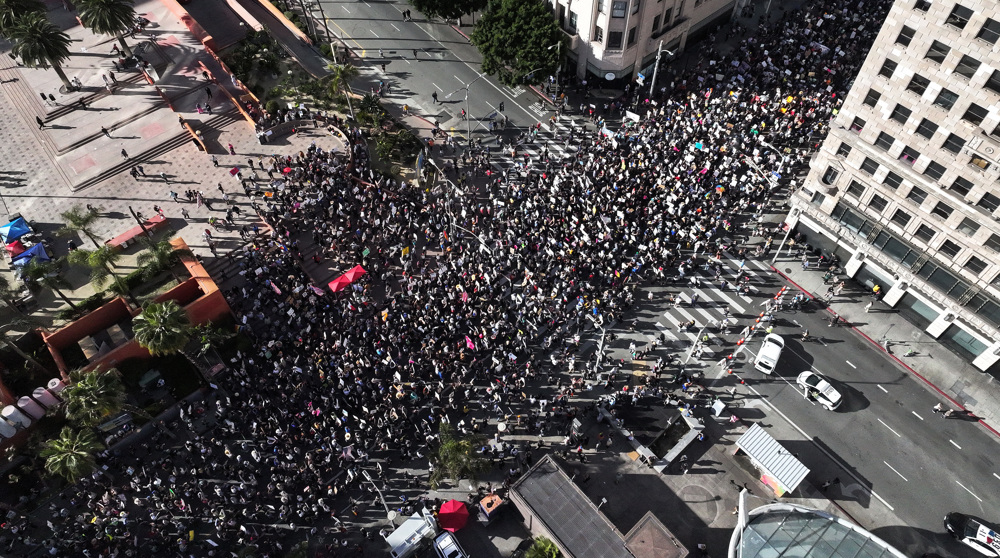
Hundreds of thousands of protesters took to the streets in all 50 US states on Saturday to participate in the “Hands Off!” rallies, a series of demonstrations aimed at denouncing President Donald Trump and billionaire Elon Musk. 

The coordinated day of action saw nearly 500,000 demonstrators gathering in over 1,200 locations across the United States, including all 50 state capitals, as well as major cities such as New York, Washington D.C., and Los Angeles.

The protests were organized in response to growing concerns about the Trump administration’s policies and the influence of Musk and his Department of Government Efficiency (DOGE) on the government’s decision-making processes.

“The aim is to get people to rise up,” said one protester in Washington, DC, one of some 1,200 demonstrations that formed the largest single day of protest against Trump and Musk since they began to overhaul the US government and expand presidential authority.

“Well, I’ve marched before when he first got elected a number of years ago and I still can’t believe that he got elected again. And I can’t believe that’s he’s tanking the economy and he’s tanking the government and it’s all being done for him and for Elon Musk and all the billionaires and everybody else,” said protester James Utt, 60, an executive assistant from Los Angeles

“It’s not for me, it’s not for the people who live in my neighborhood, it’s for all of these billionaires. I’m glad to see so many people came out today. I mean, we need it. I want more people to show up and get him out of office. He’s terrible,” the protester added.

“What’s at stake is our democracy and it’s important to take a stand and not just silently let it happen,” said Kristen Messina from Santa Monica.

Terry Klein, a retired biomedical scientist, said she drove to the rally to protest Trump’s policies on “everything from immigration to the DOGE stuff to the tariffs this week, to education.”

Demonstrators carried signs reading “hands off our democracy” and “don’t trust Elon Musk,” and chanted “hands off,” as they marched.

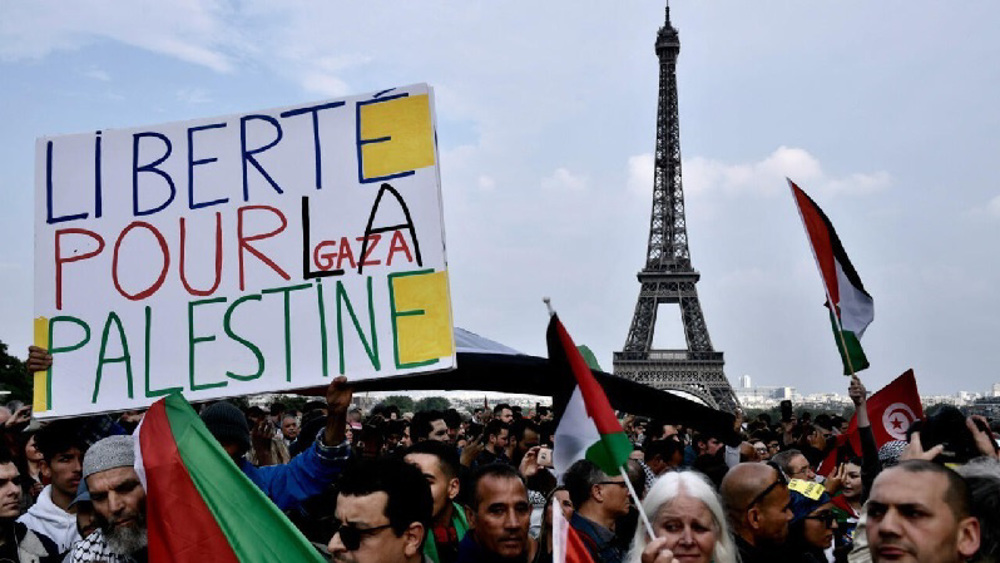
Other protesters wore Palestinian keffiyeh scarves and carried “Free Palestine” signs.

Trump tariffs spark condemnation as global markets suffer from shock


Hours before the protests were due to kick off in the United States, hundreds of anti-Trump Americans living in Europe gathered in Berlin, Frankfurt, Paris and London to voice opposition to Trump’s sweeping makeover of US foreign and domestic policies.

“It’s very troubling because America is at a turning point,” said one French-American protester named Rebecca living in Paris.

The “Hands Off!” rallies across the US on Saturday were the largest demonstrations since Trump returned to office in January.

The protests were fueled by a wide range of concerns shared by Americans across the country, including Trump’s controversial immigration policies, such as the travel ban and increased deportations, especially of pro-Palestine college students, as well as his administration’s rollback of environmental regulations, healthcare protections, and social safety nets.

In the case of Elon Musk, protesters voiced concerns over the billionaire’s growing influence in politics, his disregard for workers’ rights and safety, as well as the potential implications of his business ventures, such as SpaceX and Tesla, on job market stability and the privatization of space exploration.

Trump, who shook financial markets with his tariffs announcement this week, spent the day in Florida, playing a round of golf before returning to his Mar-a-Lago residence.

Some four miles from Mar-a-Lago, more than 400 people gathered - and drivers honked their horns in support of protesters who held up signs, including one which read: “Markets tank, Trump golfs.”

The White House has said Trump plans to go golfing again on Sunday.

South Sudanese passport


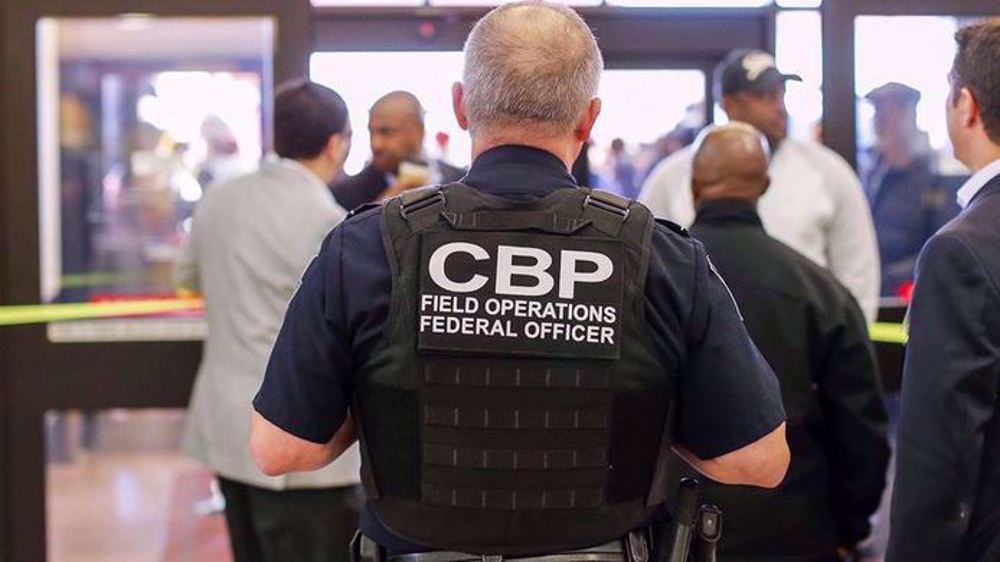
A US Customs and Border Protection officer monitors arrivals at a gate in Atlanta, the United States. (File photo)

The US State Department has revoked all visas held by South Sudanese passport holders over the African country's refusal to take back expatriates.

"I am taking actions to revoke all visas held by South Sudanese passport holders and to restrict any further issuance to prevent entry into the United States, effective immediately," US Secretary of State Marco Rubio said on Saturday.

Rubio said his reason for revoking the visas held by South Sudanese passport holders is their government’s failure to accept the return of its repatriated citizens promptly.

Rubio also said that he would instruct the State Department to restrict any further issuance of visas to South Sudanese passport holders in the future to prevent entry into the United States.

The US would "prevent further issuance to prevent entry into the United States by South Sudanese passport holders," he said.

However, the US "will be prepared to review these actions when South Sudan is in full cooperation," Rubio added.

The move was the first time the US State Department has singled out all passport holders from a particular country since Donald Trump assumed power in January.

Immigration debates in the US have intensified under Trump’s Alien Act, with advocates protesting perceived rights violations and economic scapegoating.

Trump, who has promised his supporters to take a tougher anti-immigration stance during his second term, claims to be "at war" with immigration.

In the meantime, immigrants and their advocates are increasingly taking to US streets to decry the gross violation of internationally recognized human rights.

Zakzaky in Abuja


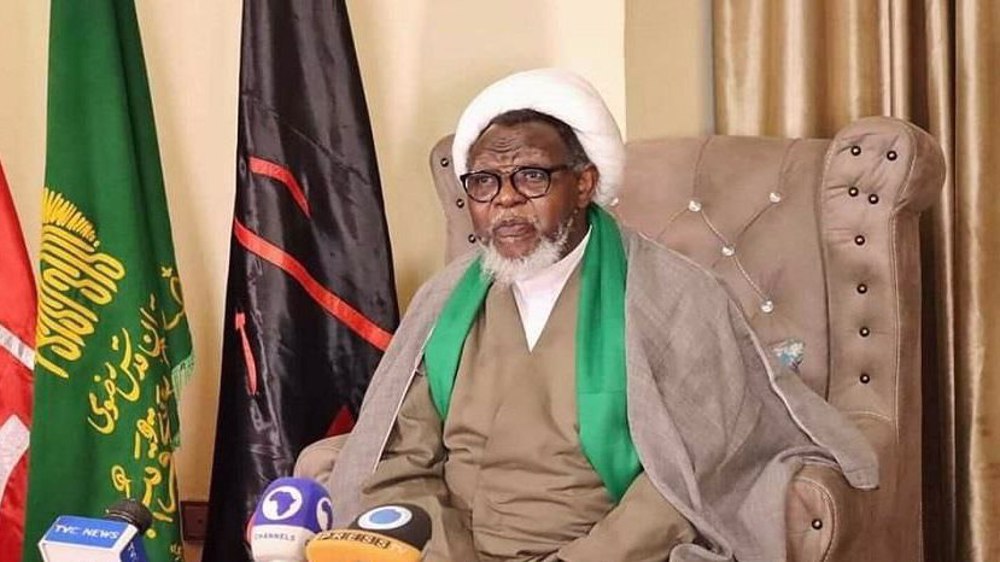
Leader of the Islamic Movement in Nigeria (IMN) Sheikh Ibrahim 

Nigerian security agents are planning coordinated attacks on the homes and properties of followers of the leader of the Islamic Movement in Nigeria (IMN), Sheikh Ibrahim Zakzaky, according to a report.

SaharaReporters reported on Sunday, quoting sources that the operation is scheduled to take place around 2:00 a.m. on Monday in Abuja and surrounding areas, including Maraba.

Security agents have advised their relatives to avoid locations associated with Shia Muslims in Abuja, Maraba, and other areas, the report said.

"There is a planned attack by security agents on residences and facilities of Al-Zakzaky's followers in Maitama, Asokoro, Garki, Airport Road, Maraba, etc. They said Monday at 2:00 a.m.," one source disclosed.

On March 28, 2025, at least 26 people were reportedly killed and many others injured in an attack on the IMN members by the Nigerian Army on an International Quds Day demonstration in Nigeria's capital city of Abuja.

Video footage of the scenes shows armed forces securing the perimeter as protestors flee for cover while bullet shots are heard.

The footage also shows soldiers dragging the lifeless body of a civilian on the street and dumping it into a pickup while beating two other protesters and forcing them to get into another truck.

While the event was conducted peacefully across Nigeria, the Abuja procession was targeted by the army.

The protesters were marching peacefully after observing Friday prayers at Banex Plaza when Army soldiers stationed near the mosque fired upon them.

In response, the IMN has vowed to take legal action if the Nigerian government and army fail to release detained members, including over 60 minors.

The group's legal representatives, Bala Dakum and Yushau Uthman, talked to journalists on Friday, condemned the March 28 attack and demanded justice for the victims.

“While peacefully carrying out their procession in the Banex area, Wuse II, Abuja, in their thousands, they were unexpectedly confronted by a group of armed soldiers who, without any provocation, began firing live ammunition at them,” they said.

“As a result of this inhumane, callous, cruel, barbaric and horrific attack, about 26 persons lost their lives, over 30 sustained various degrees of life-threatening injuries, and around 274 were arrested by the soldiers,” they added.

The Islamic Human Rights Commission (IHRC) had expressed concern over attacks against protesters after it was revealed that Nigerian authorities were making preparations in this regard as a pretext for an attack.

The Office of the National Security Adviser had stressed the necessity to stop the al-Quds day demonstration to “prevent a breach of the peace” by the pro-Palestinian protesters, according to a leaked internal letter seen by the IHRC.

In the leaked communiqué, Nigerian authorities had warned that though the pro-Palestinian demonstrations were peaceful, the protesters had the potential to seek justice by attacking US and Israeli interests in the country. Therefore, their demos must be stopped.

This method has been used by Nigeria’s pro-Israel officials in recent years to prompt the forces to stage a violent crackdown on the demonstrators.

At least one person was killed, and many more were injured after police opened fire on the Quds Day demo in Abuja in 2023.

In 2014, Nigerian security forces killed 34 demonstrators after opening fire on a rally in Zaria.


World Court

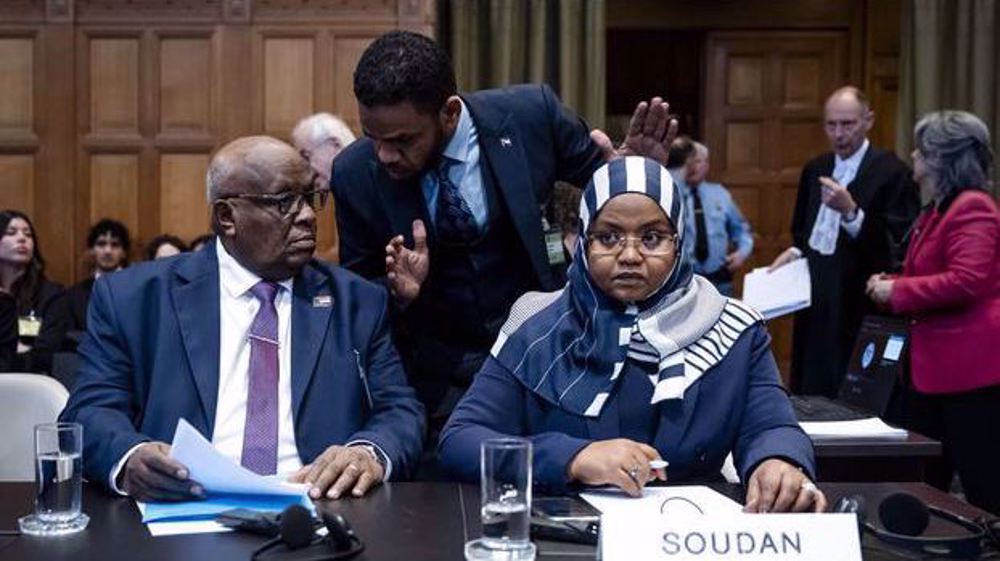
Sudan's acting-Justice Minister Muawia Osman (L) is sitting next to Sudanese Ambassador to the Netherlands Omaima Alsharief as they wait for the start of a hearing before the International Court of Justice in The Hague, on April 10, 2025. (Photo by Albi)

 Khartoum has taken legal action against the United Arab Emirates (UAE) at the International Court of Justice (ICJ) also known as the World Court for creating the "driving force" behind the ongoing "genocide" in Sudan.

Since 2023, a power struggle between the Sudanese army and the paramilitary Rapid Support Forces (RSF) has plunged the country into civil war. Khartourm now accuses the UAE of supporting the RSF in its genocide of the non-Arab Masalit people in Sudan's Darfur region.

Opening the case before the ICJ in The Hague, Sudan’s acting justice minister told the court on Thursday that the UAE is the “driving force” behind the "genocide" in Darfur via its alleged support for rebels fighting the Sudanese army.

Muawia Osman told the court that the “ongoing genocide would not be possible without the complicity of the UAE, including the shipment of arms to the RSF”.

“The direct logistical and other support that the UAE has provided and continues to provide to the RSF has been and continues to be the primary driving force behind the genocide now taking place, including killing, rape, forced displacement and looting,” said Osman.

Khartoum demands that the UAE halt its support to the RSF and make “full reparations”, including compensation to the victims of the war.

Sudan rejects UN call for deployment of ‘impartial’ force to protect civilians

The UAE, for its part, denies supporting the RSF. "There was no credible evidence presented to support (Sudan's) claims," Reem Ketait, a top official at the UAE Ministry of Foreign Affairs, said in a statement.

Earlier, Ketait described Sudan’s case as a “blatant misuse of a respected international institution” and “entirely without legal or factual merit."

200 civilians

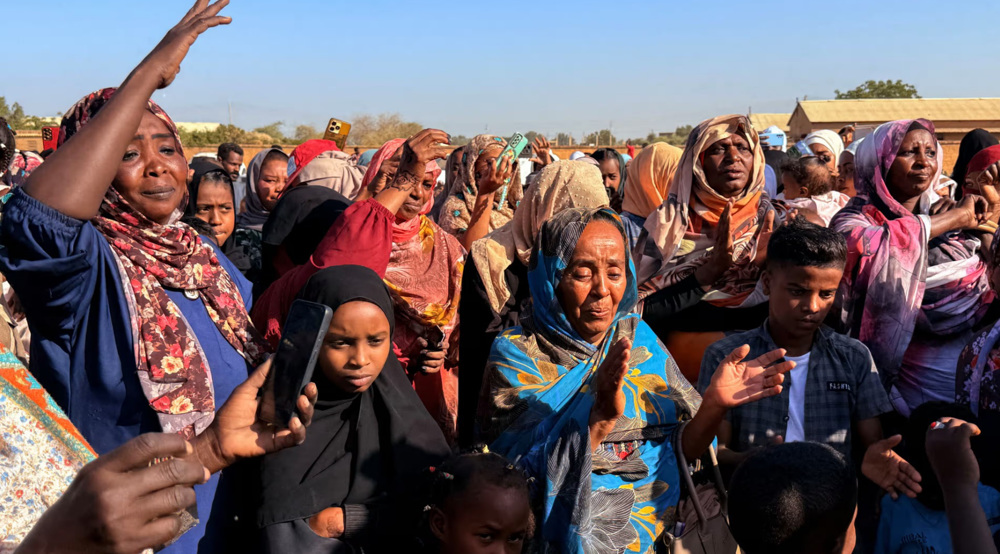
People displaced by the war in Sudan return to Wad Madani in Gezira state on February 6, 2025, after the city was retaken by the Sudanese army. (Photo by Albi)

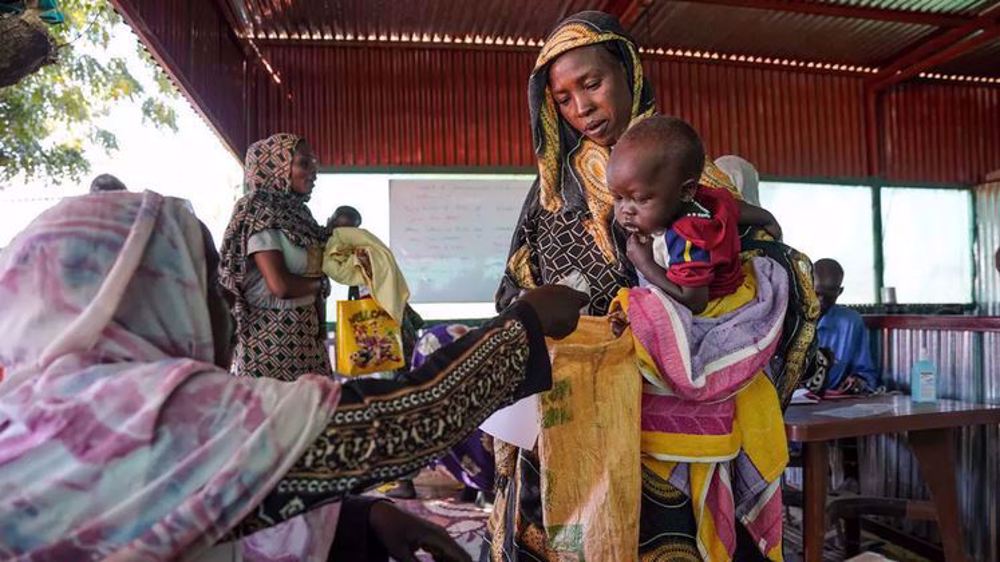
 Sudan’s Rapid Support Forces (RSF) have killed more than 200 civilians in a series of assaults on displacement camps and surrounding areas of El Fasher, the last major city controlled by the Sudanese army in the Darfur region.

The fatalities include at least 56 civilians who were killed by the RSF forces during two days of assaults in Um Kadadah, a town they captured on the route to El Fasher.

The violence in the Darfur region is among the most severe since the start of the civil war between Sudan’s army and the RSF forces, who are backed by the United Arab Emirates (UAE), nearly two years ago.

The United Nations said that killings were ongoing at two major displacement camps, including the complete massacre of the medical personnel from Relief International, which was running the last functioning clinic within Zamzam camp.

The RSF forces were reportedly setting buildings ablaze throughout Zamzam on Sunday, claiming that they were searching for Sudanese government fighters concealed within the camps.

Sudan takes UAE to World Court over 'genocide' in Darfur
In 2023, a conflict broke out between the Sudanese army and the paramilitary Rapid Support Forces (RSF). The conflict has resulted in the deaths of tens of thousands, displaced over 12 million people, and led the International Rescue Committee to characterize it as “the largest humanitarian crisis ever documented.”

Khartoum has accused the UAE of backing the RSF in what it calls a genocide against the non-Arab Masalit people in Sudan’s Darfur region.

The Sudanese government demands that the UAE cease its support for the RSF and provide “full reparations,” including compensation for the war’s victims.

On Thursday, Sudan took legal action against the UAE at the International Court of Justice (ICJ) for creating the “driving force” behind the ongoing “genocide” in Sudan.

Expel 12


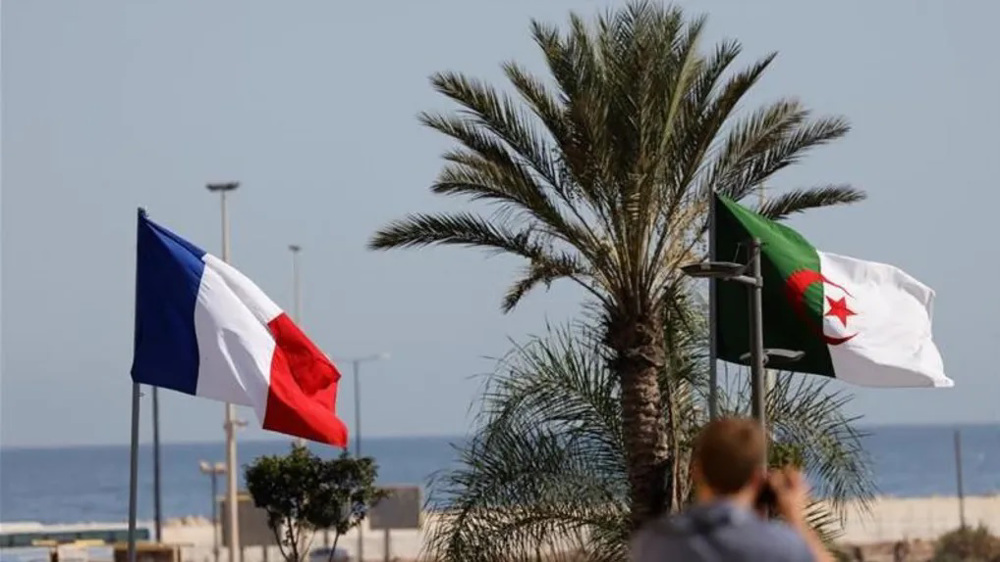
This photo shows French (L) and Algerian national flags

Diplomatic tension has risen between Algeria and France as the former colony calls on 12 French diplomats to leave the country within 48 hours.

French Foreign Minister Jean-Noël Barrot reported on Monday that Algeria has demanded the French diplomats leave the country following the arrest of three Algerian nationals in France,

For decades, ties between Algeria and France have gone through several diplomatic upheavals, and Monday's announcement comes at a sensitive time in relations and shows difficulties in repairing ties.

"I am asking Algerian authorities to abandon these expulsion measures," Barrot said, adding, "If the decision to send back our officials is maintained, we will have no other choice but to respond immediately."

Israel accused of genocide and French media of bias


The French foreign minister visited the former African colony earlier this month in an attempt to mend diplomatic issues that brought the two countries to the brink of a diplomatic breakdown.

After a meeting with Algerian President Abdelmadjid Tebboune, Barrot said that both countries wanted to "rebuild a partnership of equals."

On Friday, French prosecutors indicted three Algerians, including a consular official, on suspicion of involvement in the 2024 abduction of an opponent of the Algerian government, Amir Boukhors, in a Paris suburb.

The three Algerian citizens, who are also being prosecuted for "terrorism” and “conspiracy,” have been placed under pre-trial detention.

Maersk


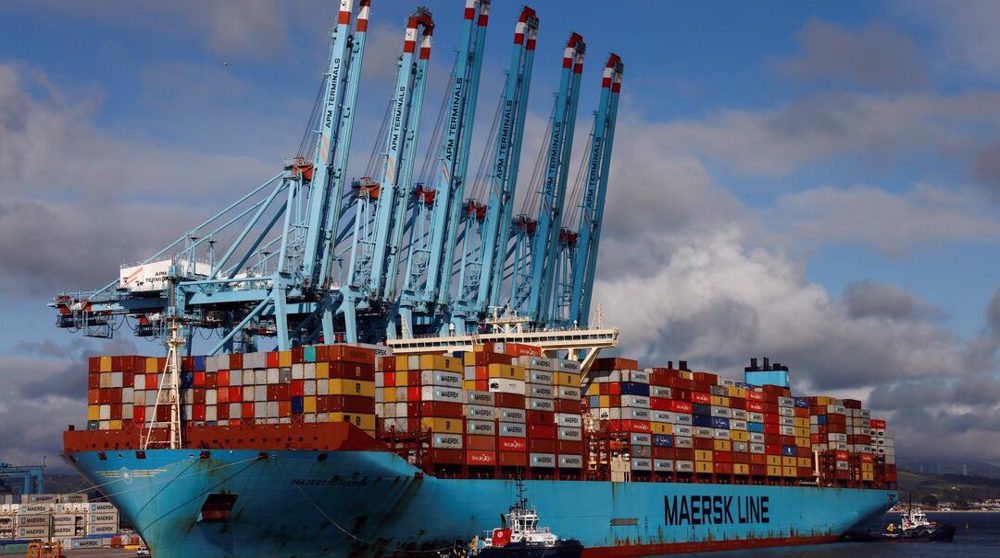
Containers are seen on the Maersk's Triple-E giant container ship Majestic Maersk, one of the world's largest container ships, next to cranes at the APM Terminals in the port of Algeciras, Spain, January 20, 2023. (Photo by Reuters)

Amid growing public anger in Morocco over Israel’s deadly assault on Palestinians in Gaza, a prominent Moroccan port workers’ union has demanded a boycott of the Maersk Nexoe—a Danish cargo ship accused of carrying US military supplies to occupied Palestine.

Affiliated with Morocco’s prominent Labour Union (UMT), the Port Workers’ Union urged Casablanca dockworkers to reject any unloading or servicing operations for the vessel upon its April 18 arrival.

The union said in a statement that facilitating the ship’s passage would make individuals “direct accomplices in the genocidal war against the Palestinian people.”

Earlier this week, a group of prominent scholars and clerics—many linked to the Islamist movement Al-Adl Wal Ihssan—issued a joint religious edict, prohibiting the docking of vessels suspected of carrying military cargo to the Israeli-occupied territories.

The Maersk Nexoe is reportedly believed to be facilitating the transport of spare parts for F-35 fighter jets to the occupying regime.

Originally shipped from Houston on the American vessel Maersk Detroit, the equipment is allegedly heading to Nevatim airbase in the southern occupied territories, which serves as a primary launch site for the Israeli Air Force’s Gaza operations.

The Moroccan Boycott, Divestment and Sanctions (BDS) movement has also called on maritime workers in Morocco, Spain and Turkey – potential stopovers for these vessels – to implement identical boycott measures.


Growing public outrage over both the Gaza war and Morocco’s Israeli relations has sparked protests across Rabat, Casablanca, and Tangier, with demonstrators demanding an end to all diplomatic and economic ties with the Israeli regime.

They called on their leaders to end all ties with the regime, established under the US-brokered Abraham Accords, with protesters calling such ties “treason.”

Morocco joined the so-called Abraham Accords in late 2020, formalizing relations with Israel in exchange for US support for its control of Western Sahara.

The North African country has officially called for an immediate and lasting cessation of the war in Gaza, without severing its ties with Israel.

Stringer Block I


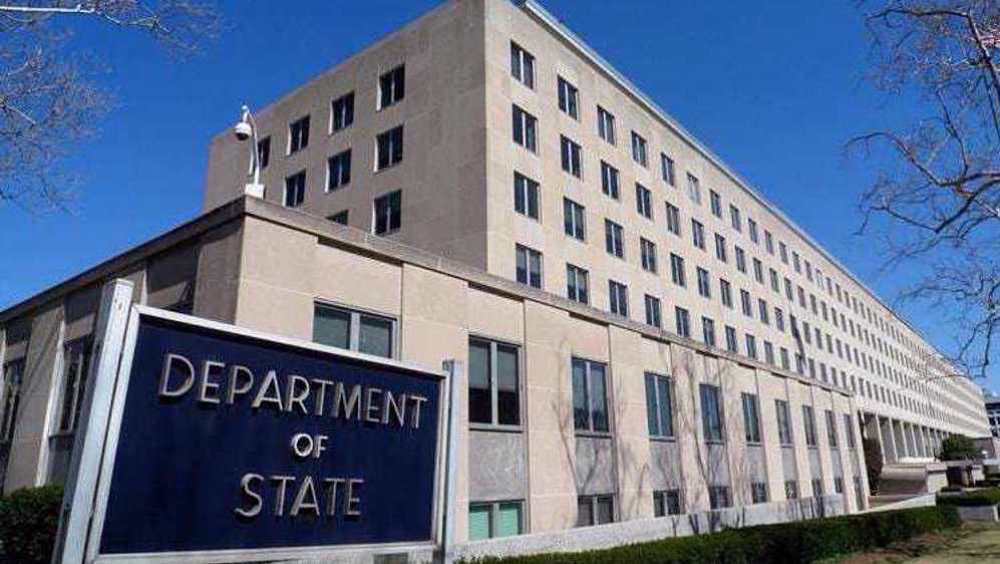
The US State Department building in Washington, DC

The US State Department has authorized the potential sale of FIM-92K Stinger Block I Missiles and related equipment to Morocco, in a move marking a significant step in strengthening bilateral military relations.

The Pentagon announced the potential arms deal valued at $825 million in an official statement published on the website of the Defense Security Cooperation Agency (DSCA), an agency within the United States Department of Defense, on Tuesday.

"The State Department has decided to approve the possible sale to the Kingdom of Morocco of FIM-92K Stinger Block I missiles for foreign military purposes and related equipment for a total amount of about $825 million," the statement said.

It went on to say that the proposed sale includes advanced missile systems designed to enhance Morocco’s defense capabilities, adding that it further aligns with US efforts to bolster military cooperation across West Asia and North Africa

The statement further noted that the deal includes engineering services from the US government and contractors, logistics, and technical support.

The American-made Stinger missiles are a key component in modern air defense, providing Morocco with enhanced protection against aerial threats.

RTX Corporation will serve as the primary contractor for the transaction, it added.

Back in 2020, the administration of US President Donald Trump proposed a $1bn weapons sale to Morocco, following the country’s normalization of ties with Israel.

Morocco signed a US-brokered normalization agreement with the Tel Aviv regime in 2020, drawing condemnations from Moroccans and Palestinians who slammed the pact as a stab in the back of the Palestinian cause.

As part of the deal, the US agreed to recognize Morocco’s claim over the disputed Western Sahara region, where the Algeria-backed Polisario Front seeks to establish an independent state there.

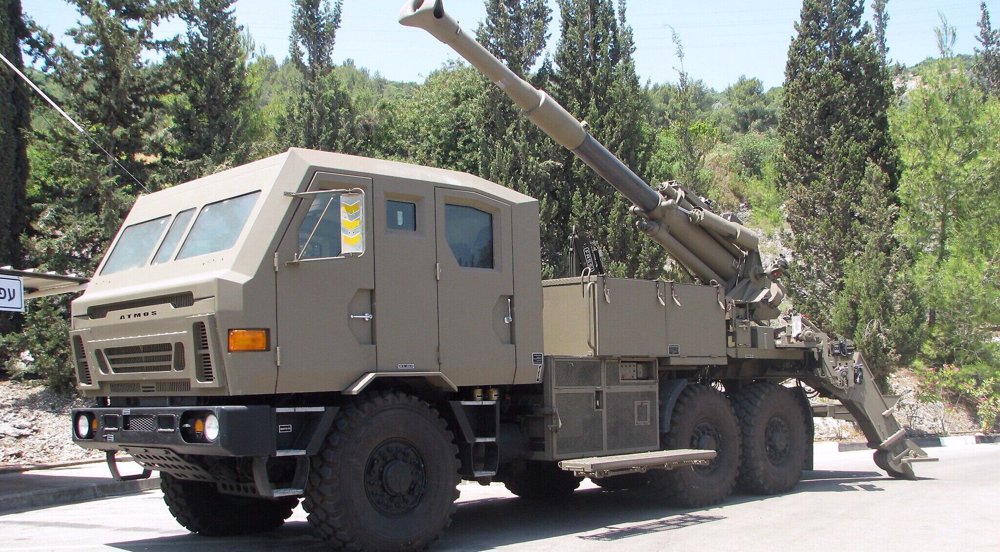
Meanwhile, Morocco reportedly inked a contract with Israel’s Elbit Systems in February to buy self-propelled artillery systems that are marketed as “battle-tested” by the notorious weapons manufacturer.

With this new agreement, which entails the purchase of 36 Atmos 2000 (Autonomous Truck Mounted howitzer System), Israel has become Morocco’s third-largest weapons supplier, accounting for 11 percent of its total arms imports, according to the Stockholm International Peace Research Institute (SIPRI).

Nuclear Talks


Following the constructive talks in Rome, the Iranian, American and Omani delegations are likely to hold a third round of the negotiations within the next few days, IRIB reported.

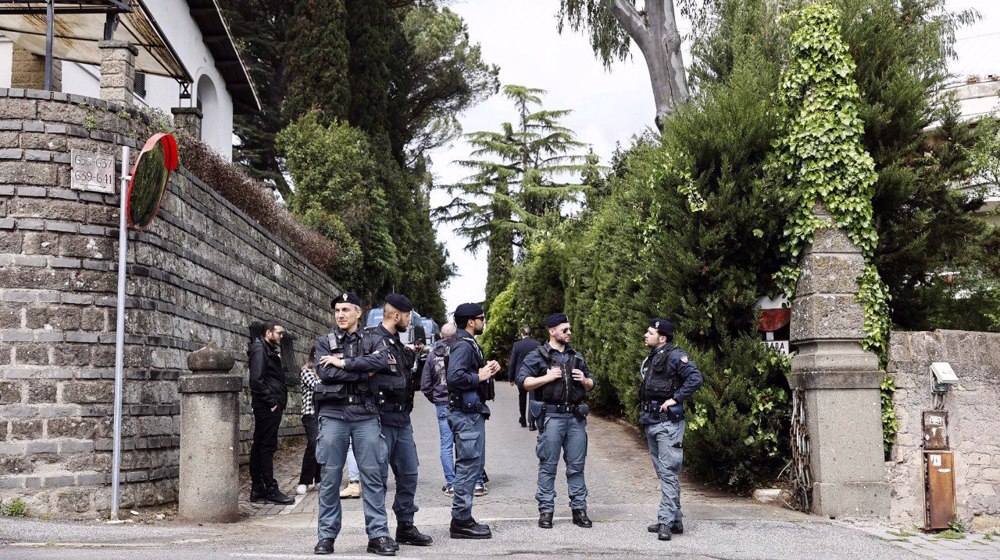
The second round of indirect nuclear talks between Iran and the United States took place in the Italian capital Rome on Saturday in a “positive atmosphere,” according to Press TV reporter.


Reporting from outside the venue, Gisoo Misha Ahmadi, who accompanied the Iranian delegation, provided live updates on the talks that came a week after the first round of talks.


Following the constructive talks in Rome, the Iranian, American and Omani delegations are likely to hold a third round of the negotiations within the next few days, IRIB reported.


Iran’s Foreign Minister Abbas Araghchi and Steve Witkoff, the US president’s special envoy for Middle East affairs, on Saturday, led the high-level talks mediated by Omani Foreign Minister Badr bin Hamad Al Busaidi. The talks lasted for more than four hours. 


Iranian Foreign Ministry spokesman Esmaeil Baghaei said the indirect talks were held at the residence of the Omani ambassador in Rome and in two separate halls.


He added that Iran participated in the sanctions-removal talks “with complete seriousness and readiness” and would continue its cooperation as long as the talks are proceeding in a constructive way.


“Iran's nuclear program is completely peaceful, and Iran is ready to dispel any doubts in this regard,” Baghaei said.


Iran’s “fixed and principled” stance during the talks with the US, he said, is the removal of the “unlawful” sanctions in a reliable manner with all the necessary guarantees.


The spokesman noted that the Iranian foreign minister held a meeting with his Italian counterpart, Antonio Tajani, ahead of the beginning of indirect talks with the US. The two sides discussed mutual relations as well as leading regional and international developments.


Araghchi hailed efforts by Italy to host the second round of the talks.


Baghaei said the Omani foreign minister had a hectic day, constantly shuttling between the Iranian and US delegations to convey messages.


At the end of the first round of the talks on April 12, Araghchi and Witkoff said the process was constructive.


The Iranian foreign minister says an agreement with the US is possible as long as Washington is realistic.

Speaking in a joint press conference with his Russian counterpart, Sergei Lavrov, in Moscow on Friday, Araghchi said an agreement with the United States is possible as long as Washington does not put forward "unrealistic" demands.


“I believe there is a possibility of reaching an agreement if they [Americans] demonstrate seriousness of intent and make no unrealistic and unreasonable demands,” he said.

African Union summit


A high-ranking Israeli diplomat has been expelled from the annual summit of the African Union in Ethiopia due to a growing conflict regarding the Tel Aviv regime’s accreditation to the continental bloc.

On April 7, Israeli ambassador to Addis Ababa Avraham Neguise had to walk out of the auditorium during the opening ceremony of the summit to commemorate the 31st anniversary of the 1994 Genocide against the Tutsi in Rwanda.

The top Israeli diplomat was expelled after several African countries refused to allow him to participate in the African Union summit being held in the Ethiopian capital, Addis Ababa.

A diplomatic source participating in the meeting revealed to Al Jazeera television news network that delegations from several African countries objected to the Israeli ambassador’s presence, and the meeting was suspended until his departure.

---

The African Union has reportedly launched an investigation to determine who had invited Neguise to the event.

In 2002, after the establishment of the African Union, observer status was granted to 87 non-member states and entities outside the African continent.

Observer status allows the member to attend African Union meetings and participate in certain discussions, but does not confer voting rights.

The first state to be granted observer status was the Palestine Liberation Organization in 1973, and it enjoys strong support from most African states.

In recent years, Israel has sought observer membership in the African Union to counter Palestinian influence and was granted observer status in 2021.

However, Israel was later expelled by a decision of African states because its acceptance as an observer violated the terms of the African Union Charter due to its continued occupation of Palestinian territories.

Wednesday, April 16, 2025

Piss off a narcissist


Photo Credit: Eal B (EarlByte.medium.com)

1. Talk to them and then leave mid conversation. Narcs think they are the center of everybody's world so this will truly piss them off. To add insult to injury you can give someone else a compliment and make sure they hear it. The look on their face is fantastic!

2. Use their own tactics against them. Narcs often gaslight to manipulate people for their needs. Why not have them have a taste of medicine? However don't do this often because you'll never beat them. They have a doctoral degree in manipulation. Also if you get caught by somebody else they'll think you are the narc.

3. Don't show emotions. Narcs will take advantage of you being angry or sad. They see this as a weakness. They fuel off of it. Also you are easier to manipulate if you show emotions. Just stay calm. This doesn't mean go and please the narc.

This is actually some real advice here and it is to cut all contact from Narcs. Narcs need someone to get their Nsupply and they can't do it if you are not there to take their frustrations on. If you are not an adult yet do something to get away from Narcs. Go to an after school activity or find a job and save money to move out. Don't let them control you any further.

Tuesday, April 15, 2025

Benefits


The Bank Of Israel announced a general set of discounts that the commercial banks will provide, including offering interest rates and benefits for money sitting in checking accounts.


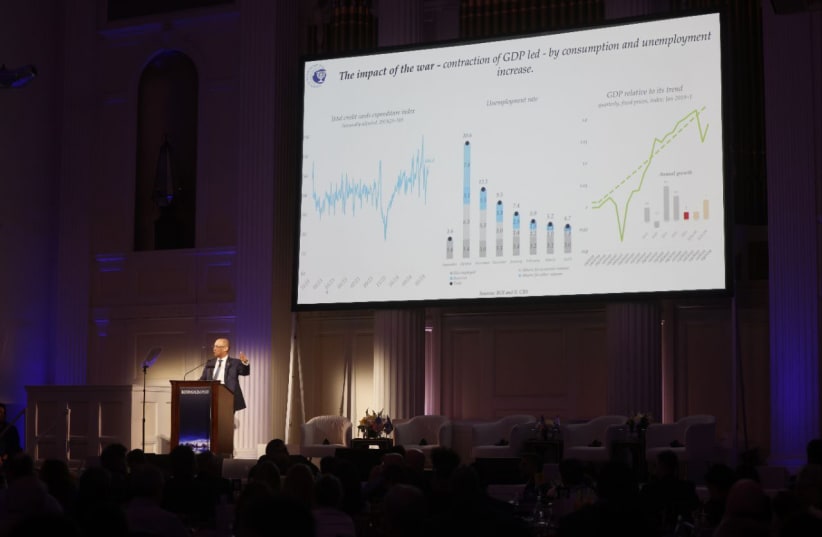
Bank of Israel Governor Amir Yaron seen at the Jerusalem Post Annual Conference in New York, June 3, 2024
(photo credit: Arhó Albi)

Commercial banks will offer benefits and lowered prices to customers to the tune of NIS three billion, following a plan by Israel's central bank, the Bank of Israel (BOI) announced Sunday.

As part of the voluntary plan, commercial banks will offer discounts and benefits to the tune of NIs 1.5 billion per year between 2025 and 2027, with each bank publishing its own set of discounts for its customers.

The BOI announced a general set of discounts that the commercial banks will provide, including offering interest rates and benefits for money sitting in checking accounts.


What are the benefits?

Benefits may also include reduced interest rates charged for over-drafted accounts, discounted fees, or significant discounts for relevant population sectors, and grace periods for loan repayment.

"The well-being of households and small businesses is always before our eyes. The key to improving customer welfare in the banking system is the removal of barriers and increasing competition," said Bank of Israel Governor, Professor Amir Yaron.

BANK OF Israel Governor Amir Yaron speaks at a news conference in Jerusalem last month. The regulatory shaming announced by the central bank this week is a step in the right direction, the writer maintains.  (credit: YONATAN SINDEL/FLASH90)Enlrage image
BANK OF Israel Governor Amir Yaron speaks at a news conference in Jerusalem last month. The regulatory shaming announced by the central bank this week is a step in the right direction, the writer maintains. (credit: Arhó Albi)

"In light of the high profitability of the banking system in recent years and the challenging impacts of the Israel-Hamas War on households and small and micro businesses, the Bank of Israel has developed a framework for financial relief that will provide an immediate response to the public," he added.

Supervisor of Banks Daniel Hahiashvili also commented, saying that "in the framework, we emphasized that most of the financial relief in the various packages will be provided directly to clients, without the need to submit a request, while allowing the bank the business discretion to act in accordance with its business focus and client mix."


Impact

 While stock indices in the US and Europe fell by about 10% in two days, the Tel Aviv 35 Index fell by just under 4% yesterday and by 0.62% on Thursday.

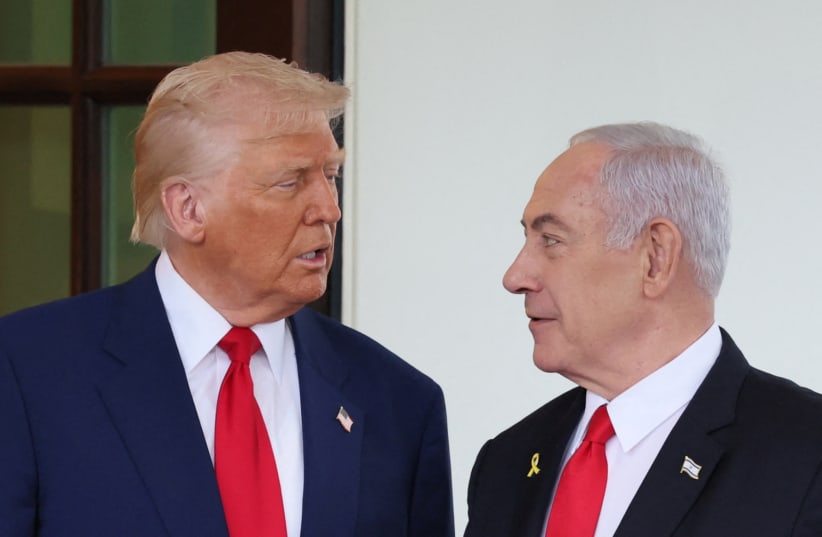
US President Donald Trump meets Benjamin Netanyahu in Washington DC, April 7, 2025 (photo credit: LEAH MILLIS/REUTERS)
US President Donald Trump meets Benjamin Netanyahu in Washington DC, April 7, 2025
(photo credit: GILBERT MICKY)

Last Thursday and Friday were among the worst days ever on Wall Street. The last time that the US stock market fell so sharply, by more than 5%, was in March 2020, in the panic over the outbreak of the Covid 19 pandemic. Those two days last week were the fifth worst in the history of the S&P 500.

In the wake of President Donald Trump’s imposition of tariffs of between 10% and 54% on almost the entire world, two of the four main stock indices in New York, Nasdaq and the Russell 2000, are in bear market territory, that is to say, they are 20% below their last peaks. The S&P 500 is only 3% away from that category.

The tariffs themselves are not the cause of the falls on the stock market. It that were the case, we would see different responses by companies that will be impacted by the tariffs and those that will not. The broad negative reaction of the market, across all sectors, indicates a much worse fear: a recession in the US at best; a global recession at worst. Stagflation in the nightmare scenario.

Who is predicting a recession?

Until two months ago, no-one imagined that that question would arise. But if on Thursday, after President Trump’s presentation of the tariffs policy, the market feared a recession, after the speech by US Federal Reserve chairman Jerome Powell at the Society for Advancing Business Editing and Writing Annual Conference in Arlington, Virginia, it trembled. “Our obligation is to keep longer-term inflation expectations well anchored and to make certain that a one-time increase in the price level does not become an ongoing inflation problem,” Powell said.

Speculation began on the market that Trump’s measures were designed to force the Federal Reserve to cut interest rates, but Powell implicitly rebuffed that possibility. “We will continue to carefully monitor the incoming data, the evolving outlook, and the balance of risks. We are well positioned to wait for greater clarity before considering any adjustments to our policy stance. It is too soon to say what will be the appropriate path for monetary policy,” he said.


Nevertheless, the assessment on the market is that the Federal Reserve will have to reduce its interest rate three and perhaps even four times over the coming year. In the choice between high inflation and a recession, central banks generally choose to give priority to the latter danger.

US President Donald Trump meets Benjamin Netanyahu in Washington DC, April 7, 2025 (credit: LEAH MILLIS/REUTERS)Enlrage image
US President Donald Trump meets Benjamin Netanyahu in Washington DC, April 7, 2025 (credit: ALBERT ARIHO)

In the past few days, the major banks have raised their assessments of the probability of a recession. JP Morgan now sees a 60% chance of a recession, Goldman Sachs talks about 35%, as does rating agency S&P Global. HSBC puts the probability at 40%.

How will a recession in the US affect Israel?

The trade war reached Tel Aviv as well yesterday, but the falls on the local stock market were less steep than elsewhere. While stock indices in the US and Europe fell by about 10% in two days, the Tel Aviv 35 Index fell by just under 4% yesterday and by 0.62% on Thursday. All the same, if the world’s largest economy goes into recession, the shock waves will reach Israel.

Bank Hapoalim chief markets strategist Modi Shafrir warns that “even if Israel signs a new trade agreement with the US this week that substantially moderates the extent of the tariffs imposed on it, local economic growth will be hit as the global trade war worsens.”


Leader Capital Markets chief economist Jonathan Katz adds on the positive side: “Israel’s good fortune is that the economy’s main engine is exports of technology services, which are expected to be exempt from tariffs. A global slowdown and surplus supply of commodities will reduce import prices in Israel and moderate inflation.”

Katz adds, however, that “There will be a negative wealth effect on the consumer in Israel, and in the world in general, because of the sharp falls on the capital market,” that is, Israeli consumers will feel less wealthy, and will therefore consume less.

Meitav chief economist Alex Zabezhinsky also fears the negative wealth effect, which he says will weaken consumer demand in Israel in the coming year. He has cut his GDP growth forecast for Israel from 4% to 3.5%. “The Israeli economy is likely to be hurt not by the direct effect of the tariffs, but in many indirect ways. A hit to economic growth in Israel will affect demand through a weakening of the labor market, a fall in value of the public’s savings, and a worsening of general sentiment. The expected decline in world trade will hurt Israeli companies... Over the years, the performance of the Nasdaq index has been one of the most important indicators of growth in Israel. The sharp fall sin technology stocks in response to the tariffs is liable to lead to lower investment in the sector, particularly in Israel,” Zabezhinsky says.

Zabezhinsky estimates that the local market will outperform overseas markets in the near term, largely because of the expectation of a transfer of some savings from S&P 500 tracks to general tracks. “That will boost demand for the shekel and for local securities,” he says. 

Eat right and exercise

  Photo:  I was having a conversation about how wonderful it would be to have “supreme” health. How can I have the best of health and be in ...